Keynote Speakers
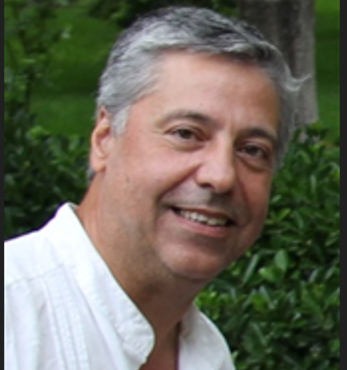
Prof. Jorge Ambrosio
IDMEC, Instituto Superior Técnico, University of Lisbon, PortugalSpeech Title: A Computational Tool to Identify the Impact of New Materials and Joining Processes in the Dynamics of a Road Vehicle
Abstract: The Body-in-White (BiW) is the backbone for the structural integrity of road vehicles, connecting the wheels via the suspension, to carry engine and passengers. The use of new materials and structural joints in the BiW requires to understand how its construction affects the vehicle dynamic behaviour. The finite element (FE) method allows to develop models to study the static structural deformation, vibration characteristics of components, and crash scenarios. However, these models tend to oversimplify the tire-road interaction and the suspension elements, being often used to study the BiW alone, but not for vehicle handling and ride. Flexible multibody (FMB) simulations allow considering the tire-road contact, the suspension systems, and to include the structural flexibility of components, being suitable to study how BiW construction affects the vehicle dynamics. Although the effect of the structural flexibility of the BiW in vehicle dynamics has been studied, most of the works consider simple tubular chassis structures, or, when more complex BiW constructions, the FMB models resort to some kind of simplification of the structure. Additionally, there is no consensus about the relevance of using the BiW flexibility in multibody simulations of road vehicles or on the effect of the BiW stiffness in their ride and handling behaviour. This work extends the understanding on the topic by: incorporating a detailed BiW model in the FMB model of a luxury sports car; discussing the FMB formulation used in the in-house code MUBODyn, and; exploring the impact of BiW design in vehicle dynamics including the use of novel materials and the required joining processes.
Keywords: Automotive structures, New Material, Joining Process, Vehicle Dynamics
Acknowledgements: The authors acknowledge Fundação para a Ciência e a Tecnologia (FCT) for its financial support via LAETA (project https://doi.org/10.54499/UID/50022/2025)
Biography: Prof. Jorge A.C. Ambrósio, having received his Ph.D. degree from the University of Arizona in 1991, he is currently Full Professor and head of the Structural and Computational Mechanics group at the Mechanical Engineering Department of Instituto Superior Técnico at the University of Lisbon, Portugal. He is the author of more than 300 publications, including several books and a large number of papers in international journals in the areas of Multibody Dynamics, Flexible Multibody Dynamics, Structural Mechanics, Vehicle Dynamics, Crashworthiness and Biomechanics. His current SCOPUS h-index is 53 with more than 8000 citations. He has been the responsible of several national and international projects in railway dynamics, biomechanics and passive safety. Currently he is the Editor-in-Chief of Multibody System Dynamics and member of the editorial boards of several international journals.
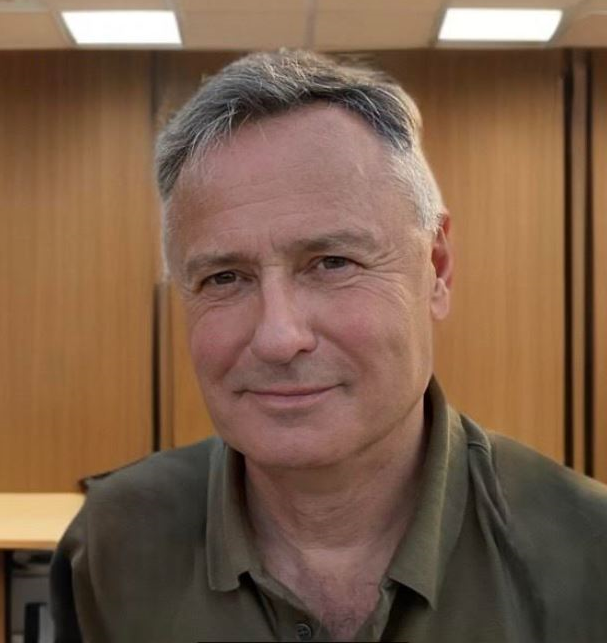
Prof. Henryk Paul
Institute of Metallurgy and Materials Science, Polish Academy of Sciences, Krakow, PolandSpeech Title: Growth of Intermetallic Phases in Explosively Welded Al–Ti and Al–Mg Multilayer Composites
Abstract: Interfacial layers formed during explosive welding are subjected to extremely rapid heating and cooling, which lead to localized melting and mixing within the reaction zones. However, the metallurgical and crystallographic characteristics of these regions, as well as their role in subsequent intermetallic phases growth during post-processing growth, remain insufficiently understood. In this work, the mechanisms governing microstructural evolution and intermetallic phase growth were investigated in two multilayer systems produced by single-shot explosive welding: a fifteen-layer Ti–Al composite consisting of alternating 1 mm sheets of Ti (Gr.1) and AA1050 (Al), and an eleven-layer Mg–Al composite composed of AZ31 (Mg) and AA1050 (Al) sheets. Post-weld annealing was carried out at 903 K for the Ti–Al system and 673 K for the Mg–Al system for times ranging from less than 1 h to more than 10³ h. Interfacial microstructures were characterized by scanning and transmission electron microscopy, complemented by synchrotron X-ray diffraction, while local mechanical properties were evaluated by microhardness and shear-strength measurements.
Explosive welding produced solidified melt regions along all interfaces in both systems. These regions consisted predominantly of non-equilibrium phases with ultrafine-grained or amorphous structures. Short annealing treatments promoted rapid formation of intermetallic layers through the transformation of these metastable products. In the Ti–Al system, a continuous Al₃Ti layer developed at all interfaces, and prolonged annealing led to the formation of a Ti–Al₃Ti–Al multilayer architecture with residual Ti and Al layers. In the Mg–Al system, short-duration annealing (<1 h) at 673 K promoted significant growth of the γ-Mg17Al12 and β-Mg28Al45 phases near all interfaces and induced transformation of the pre-existing non-equilibrium phases within the reaction regions into the β phase. Prolonged annealing (≥500 h) resulted in the formation of intermediate ε-Mg₂₃Al₃₀ layers between the β and γ layers, giving rise to an Al–γ/ε/β–Mg multilayer intermetallic structure. In both composites, the intermetallic layers exhibited pronounced morphological and crystallographic heterogeneity. In the Ti–Al system, this heterogeneity was associated with the formation of Al₃Ti-based superstructures alongside the conventional D0₂₂-Al₃Ti phase, as well as with the development of distinct fibre textures in the interfacial regions. In the Al–Mg system, the β and γ phase layers consisted of highly elongated grains, whereas the ε phase was composed of equiaxed grains. However, none of these phases exhibited a preferred crystallographic orientation.
Biography: Professor Henryk Paul received his Doctor of Engineering degree from the Institute of Metallurgy and Materials Science (IMMS) at the Polish Academy of Sciences in Kraków, Poland, in 1989. After serving as an assistant professor, he was promoted to associate professor in 2003 and to full professor in 2010, all at IMMS PAS. He has completed numerous fellowships and internships at French institutions, including an extended stays at the École des Mines de Saint-Étienne and several study visits to LLB Saclay and Université Paris-Sud. He has authored over 290 original papers, 22 book chapters, and 22 review papers on various aspects of phase transformations. His research interests include explosive welding technology, the formation of plastic flow instabilities during the semi-static and high strain rate deformation of metallic materials, recovery and recrystallization phenomena associated with the phase transformations. He has been a plenary, keynote, or invited speaker at 50 international conferences. He has supervised several PhD students and post-doctoral researchers and has been actively involved in teaching graduate and doctoral courses in physical metallurgy and advanced engineering materials. His publications have been cited over 2,600 times, and he has an h-index of 31.
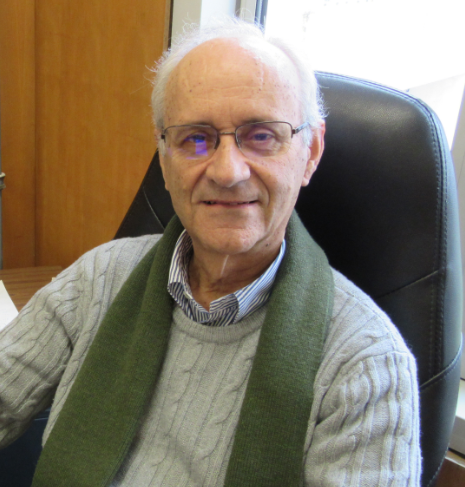
Prof. Mário G. S. Ferreira
Department of Materials & Ceramic Engineering,CICECO-Aveiro Institute of Materials, University of Aveiro, Portugal
Speech Title: Self-Healing nanocontainers for Corrosion Protection. Use of Layered Double Hydroxide (LDH) to Extend the Service Life of Reinforced Concrete
Abstract: The active corrosion protection of metallic substrates can be achieved by addition of corrosion inhibitors. However, direct mixing of an inhibitor with coating formulations can lead to important drawbacks decreasing barrier properties of the coating and diminishing activity of the inhibitor.
In this work novel protective nanostructured coatings with self-healing ability are presented. This effect is obtained based on nanocontainers that release entrapped corrosion inhibitors in response to local pH changes or presence of corrosive species. The development of new nanocontainers for organic and inorganic green corrosion inhibitors is described, especially the most promising from industrial point of view, based on Layered Double Hydroxides (LDH). The combination of different of these nanocontainers in the same system has proved to be effective to accomplish further functions. To extend the service life of reinforced concrete a similar solution could be envisaged with the addition of LDH to concrete mixture.
Emphasis is placed on integrating environmentally conscious components to reduce ecological impact without compromising performance.
Biography: Mário GS Ferreira is recognized worldwide for his expertise in corrosion and materials protection, with a career spanning five decades. He has made significant contributions across various areas, including passive film electronic structures, aluminium alloys, reinforced concrete, biomaterials, coatings, corrosion inhibitors, and self-healing materials. His work also covers atmospheric corrosion and the use of localized electrochemical techniques.
He is currently an Honorary Full Professor at the University of Aveiro, Portugal, and a member of the Aveiro Institute of Materials (CICECO). He has held leadership roles such as Head of the Department of Materials and Ceramic Engineering and coordinator of the Surface Engineering and Corrosion Protection Group at Instituto Superior Técnico and University of Aveiro.
Ferreira has published over 370 peer-reviewed articles in leading corrosion journals, holds an h-index of 93 (Scopus, July 2025), and has edited 4 scientific books, co-authored 18 book chapters, and registered 5 patents. He has led numerous national and international R&D projects funded by EU programs such as Horizon 2020 and BRITE-EURAM.
He has played a pivotal role in bridging academia and industry through collaborations with companies like EADS, Airbus, FIAT, ThyssenKrupp, and Tata Steel. He has supervised many successful MSc, PhD, and postdoctoral researchers, and frequently delivers keynote and plenary lectures at international conferences.
Ferreira co-founded SmallMaTek LDA, a spin-off dedicated to corrosion and biofouling protection. He has been active in several scientific societies and EU technical committees, and also served as Deputy Director-General for Higher Education in Portugal.
Mário Ferreira received the following honors: “H.H. Uhlig Award” of Corrosion Division of The Electrochemical Society (2013), CAVALLARO Gold Medal, Univ. Ferrara/EFC (2014), Fellow of the International Society of Electrochemistry (ISE), Fellow of The Electrochemical Society (ECS), European Corrosion Medal of the European Federation of Corrosion/EFC (2017), Marcel Pourbaix Award of the International Corrosion Council/ICC (2021), Engineers Association Award (OE Portugal)- Senior Adviser Member (2015), FEMS European Materials Gold Medal (2025).
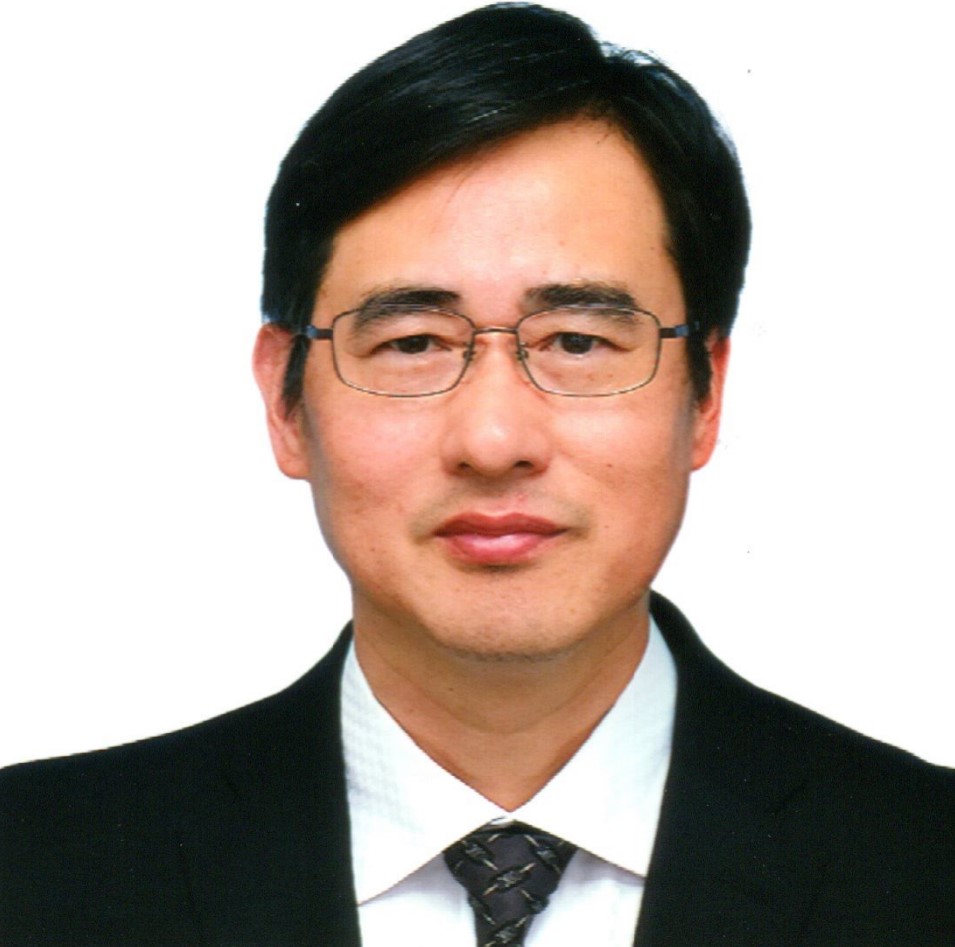
Prof. Qixin Guo
Department of Electrical and Electronic EngineeringSynchrotron Light Application Center, Saga University, Japan
Speech Title: Luminescent Properties of Rare Earth Doped Ultrawide-bandgap Semiconductors Characterized by Synchrotron Radiation
Abstract: Ultrawide-bandgap (UWBG) semiconductors, including AlN, BN, diamond, and Ga₂O₃, have attracted extensive research interest owing to their unique physical properties and broad potential applications in electronic and optoelectronic devices. Among these applications, microscale light-emitting diodes (μLEDs) have emerged as promising candidates for next-generation augmented reality and virtual reality displays. High-performance μLED displays require high pixel density, high efficiency, high brightness, excellent emission stability, and full-color capability. However, realizing full-color μLED displays remains challenging because conventional fabrication relies on the mass transfer and precise alignment of red, green, and blue μLED chips grown on different epitaxial wafers.
Rare-earth (RE)-doped semiconductors exhibit intense, spectrally narrow emissions arising from intra-4f electronic transitions of RE ions, making them attractive for color display and solid-state lighting applications. Considerable efforts have been devoted to developing visible-light emitters based on RE-doped GaN. It has been suggested that employing ultrawide-bandgap host materials can further enhance the luminescence efficiency of RE ions. We have demonstrated distinct red, green, and blue emissions from Eu-, Er-, and Tm-doped Ga₂O₃ thin films, respectively. Furthermore, the normalized emission intensities of RE-doped Ga₂O₃ exhibit significantly smaller temperature dependence than those of RE-doped GaN, indicating superior thermal stability. Optical luminescence studies provide valuable information on the electronic structure, host lattice, and defect states of semiconductors, thereby facilitating the optimization of crystal growth and material quality.
Synchrotron radiation is an ideal excitation source for investigating the optical properties of UWBG semiconductors because of its exceptionally high brightness and continuously tunable photon energy. To support such studies, we have established the Saga University Beamline (BL13) at the Saga Light Source (SAGA-LS), Japan, and developed a dedicated luminescence spectroscopy system. In this presentation, we will introduce the recent progress in our synchrotron radiation–based luminescence measurement system and present representative experimental results on rare-earth-doped ultrawide-bandgap semiconductors.
Biography: Prof. Dr. Guo received B.E., M.E., and Dr. Eng. degrees in Electronic Engineering from Toyohashi University of Technology, Japan, in 1990, 1992, and 1996, respectively. He is currently a Professor in the Department of Electrical and Electronic Engineering at Saga University, Japan. He also served as Director of the Saga University Synchrotron Light Application Center from April 2012 to March 2022. His research focuses on the epitaxial growth and characterization of semiconductor materials, particularly ultrawide-bandgap semiconductors for electronic and optoelectronic applications. He has authored and co-authored more than 400 scientific papers published in leading journals, including Nature Communications, Advanced Materials, Physical Review B, and Applied Physics Letters. His publications have received more than 12,500 citations, with an h-index of 56. He has been recognized among the World's Top 2% Scientists in the Stanford University ranking.
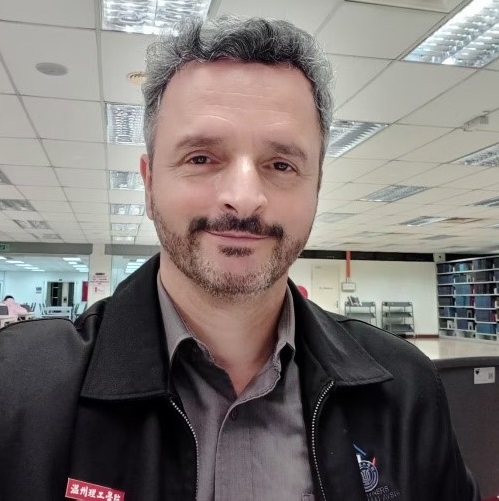
Prof. Payam Shafigh
College of Architecture and Energy Engineering, Wenzhou University of Technology, ChinaDirector, Zhejiang-Malaysia Joint Laboratory on Marine Low-carbon (Green) Building Materials
Speech Title: Structural Lightweight Concrete for Marine and Special Structures: Research and Practice
Abstract: As the most consumed man-made material, concrete is used in a wide range of applications in construction projects. It is generally considered a heavy material while it is also responsible for a significant portion of the carbon footprints of the construction sector. Structural Lightweight Concrete (LWC), which is typically made of a type of lightweight aggregate, is a type of concrete designed to lower the overall weight of concrete and structures while maintaining its strength and integrity. Typically, its density ranges between 1.4 to 2.0 tonnes per cubic meter with a compressive strength ranging between 20 to 70 MPa. After the fall of the Roman Empire, the use of LWC was limited until the 20th century and was used to build the warship in the First World War in the USA. The structural applications of LWAC got more attention due to its properties from the energy-related floating structures, due to it can reduce the weight of structures up to 50% while submerged in water compared to normal weight concrete. Although, there are numerous direct and indirect benefits of using structural LWC in construction industry including reducing foundation costs, enable longer span bridges, high durability, easier handling and transportation, environmental impact, and savings in time, energy and labour costs; however, its application in structures particularly in marine and high-rise building structures is still limited in many countries.
Keywords: Concrete Technology, Special Concrete, Lightweight Aggregate, Building, Bridge
Biography: Payam Shafigh has received his doctoral degree (with distinction) in Structural Engineering & Materials from the Universiti Malaya in 2013 and obtained his MSc in Civil Engineering Structure (2003) and BSc in Civil Engineering (2000) from the Babol Noshirvani University of Technology, Iran. He worked in the Universiti Malaya from 2013 to 2024 in different academic positions and he is currently working as a Distinguished Professor in the College of Architecture and Energy Engineering, Wenzhou University of Technology, Wenzhou, China. He is a Chartered Fellow of the Chartered Association of Building Engineers (CABE) and a Graduate Member of the Institution of Civil Engineers (ICE), UK. He was listed among world's top 2% scientists by Stanford University for the years 2021 to 2025. He was involved in several public and private projects as site supervisor, building surveyor, and applied advanced concrete materials in bridges and buildings such as structural lightweight aggregate concrete in Terengganu Drawbridge, Malaysia.